
Landscape / Apr 2025
Green Corridors
Integrating biophilic design in high-density urban environments. How vertical gardens can reduce heat islands and improve resident well-being in subtle ways.
In tropical climates, heritage preservation is often at odds with thermal comfort. Traditional shophouses were designed for a different era—utilising passive ventilation, open courtyards, and breathable materials that allowed moisture to migrate. Modern interventions, driven by the demand for air-conditioned environments, often seal these structures tight, trapping moisture and accelerating decay.
The Challenge of Climate
Our approach begins with understanding the building’s original logic. Rather than imposing a hermetic seal, we look for ways to restore the passive intelligence of the structure while introducing modern systems discretely. This involves a careful zoning of thermal environments: identifying areas that can remain naturally ventilated versus those that require mechanical cooling.
“The most sustainable building is the one that already exists, but only if it can adapt to the way we live today without losing its soul.”
Materiality and Breathability
One of the critical failures in modern restoration is the use of non-breathable paints and cements on porous heritage masonry. We prioritise the use of lime plasters and mineral paints that allow the building envelope to breathe. This not only preserves the structural integrity of the brickwork but also contributes to a healthier indoor air quality.
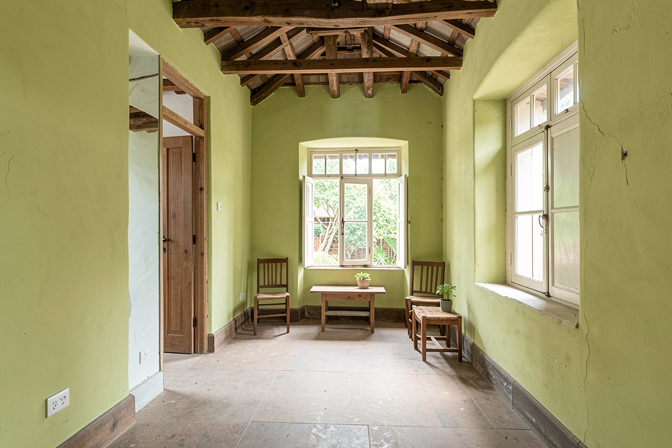
In our recent shophouse project, we stripped back layers of acrylic paint to reveal the original brick, repairing it with lime mortar. Where new additions were necessary, we used steel and glass to create a clear distinction between the old and the new. The lightness of these materials contrasts with the heavy masonry, allowing the original structure to remain legible.
Energy and Performance
Adaptive reuse must also address energy consumption. By restoring the central airwell—often roofed over in previous renovations—we reintroduced the stack effect, drawing hot air out of the building naturally. This reduced the reliance on air conditioning for the communal areas by nearly 40%.
Related Insights
View all insights
Materiality / Aug 2025
The Ethics of Materiality in Modern Construction
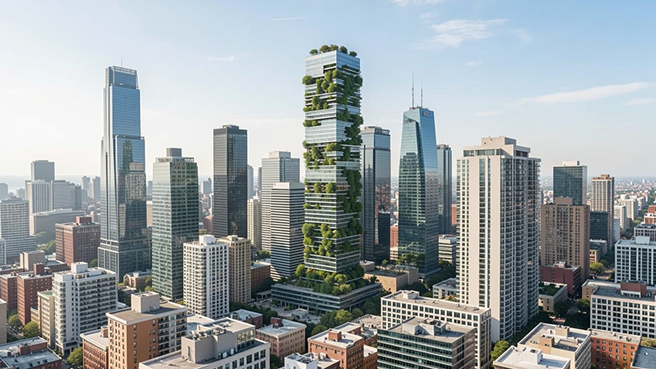
Urbanism / Jul 2025
Density without Congestion: Future Urban Living
Related projects
View all projects
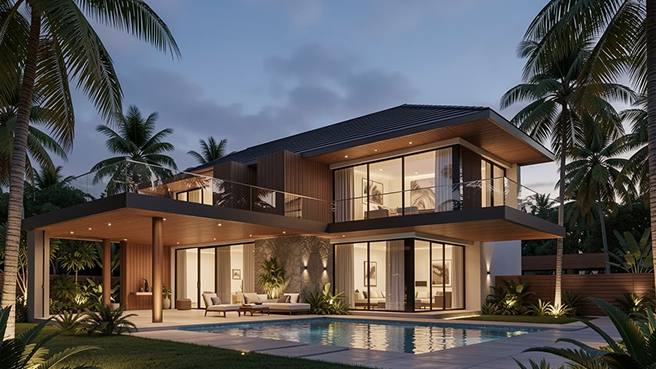
Residential / Singapore
House at Ridley Park
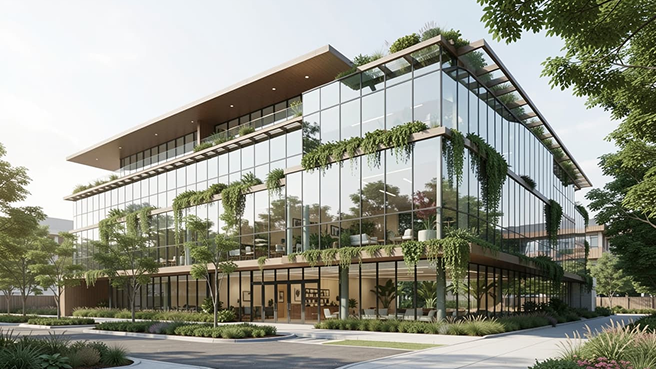
Commercial / Jakarta