
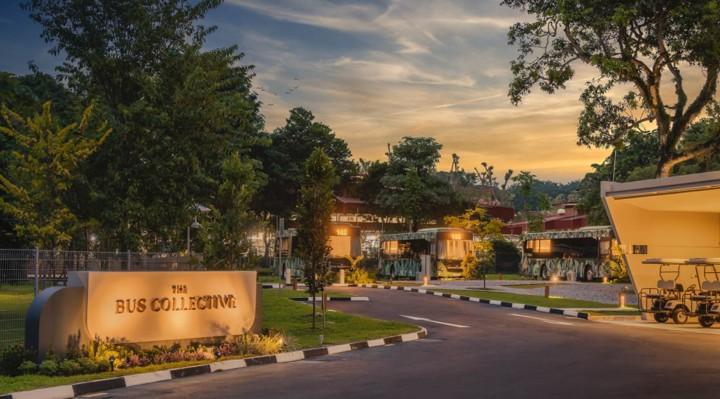
Sustainability / Sep 2025
Adaptive Reuse in the Tropics
Preserving heritage while addressing the realities of humidity, heat, and modern energy standards requires a delicate balance of old and new. A look at our recent shophouse restoration.
Cities in tropical regions are constantly evolving. As urban populations grow and land becomes increasingly scarce, the conversation around sustainability has shifted from new construction to adaptive reuse.
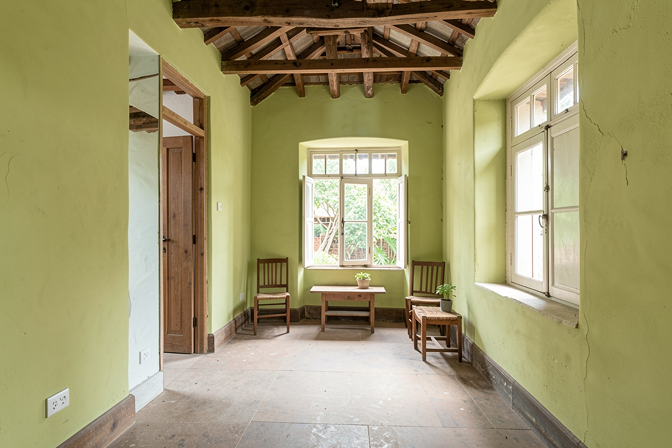
Transforming Existing
Adaptive reuse is the practice of transforming existing buildings to serve new purposes. Instead of demolishing structures and starting from scratch, architects reimagine what already exists.
“The most sustainable building is the one that already exists, but only if it can adapt to the way we live today without losing its soul.”
Buildings for the Future
In tropical climates, this process presents both challenges and opportunities. Older buildings often contain valuable passive design strategies such as deep overhangs, shaded courtyards, and natural ventilation. These elements can be enhanced and integrated with modern technologies to create highly efficient contemporary spaces.
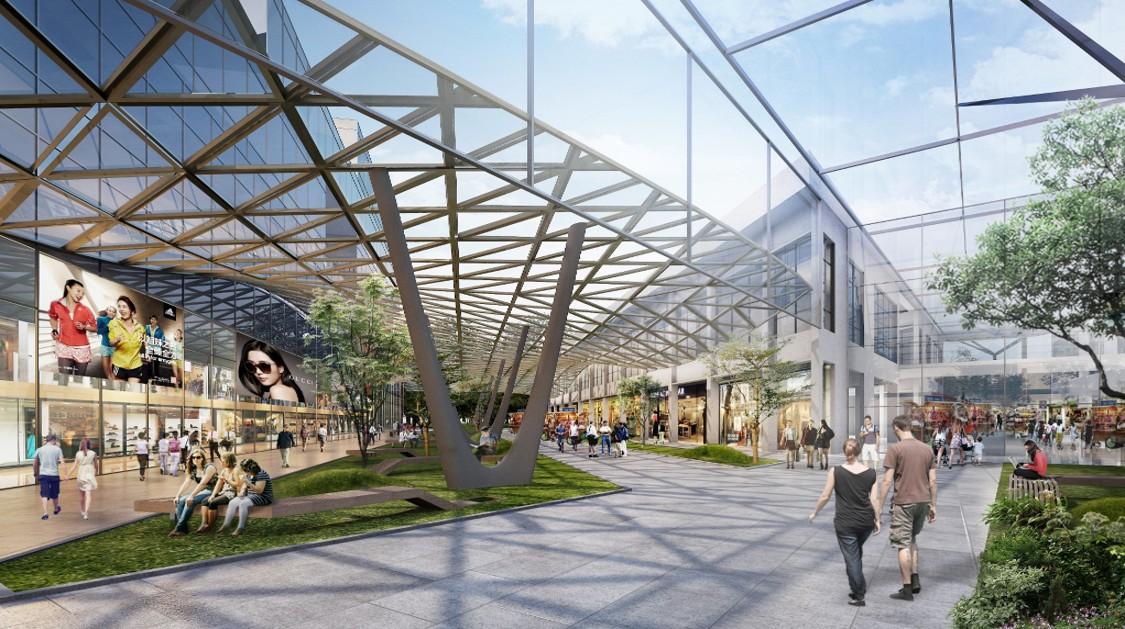
From former warehouses turned creative studios to historic homes converted into boutique hospitality spaces, adaptive reuse demonstrates how architecture can respond to changing needs while respecting existing context.
Preserving Heritage
Ultimately, the practice encourages responsible development. By extending the life cycle of buildings, cities reduce construction waste, lower carbon emissions, and create environments that feel both familiar and forward-looking.