
Technical / Jul 2025
The 100-Year Frame
Strategies for structural longevity and flexible planning in commercial developments. Building for a future we cannot yet fully predict requires systems that can evolve.
In architecture, time is one of the most important design considerations. Buildings are not temporary objects—they shape cities, communities, and daily life for decades. The concept of the 100-Year Frame focuses on designing structures that remain relevant, functional, and resilient for an entire century.
Designing for Longevity
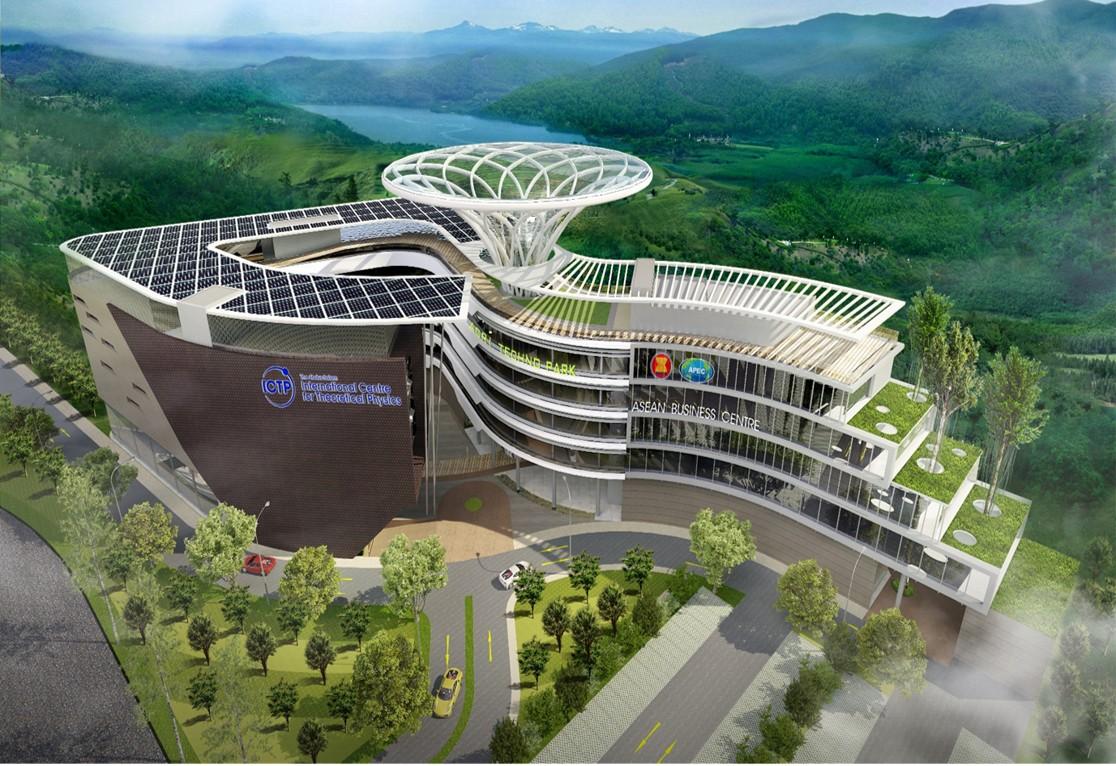
Longevity begins with strong structural systems. Buildings designed with durable materials and adaptable structural frameworks are better equipped to withstand decades of use. The goal is not simply to build something strong, but to create a foundation that allows future changes without major structural disruption. When architects design with longevity in mind, buildings require fewer replacements and significantly reduce environmental impact over time.
“The best buildings are not designed only for today—they are designed to adapt, endure, and remain meaningful for generations.”
Flexibility in Spatial Planning
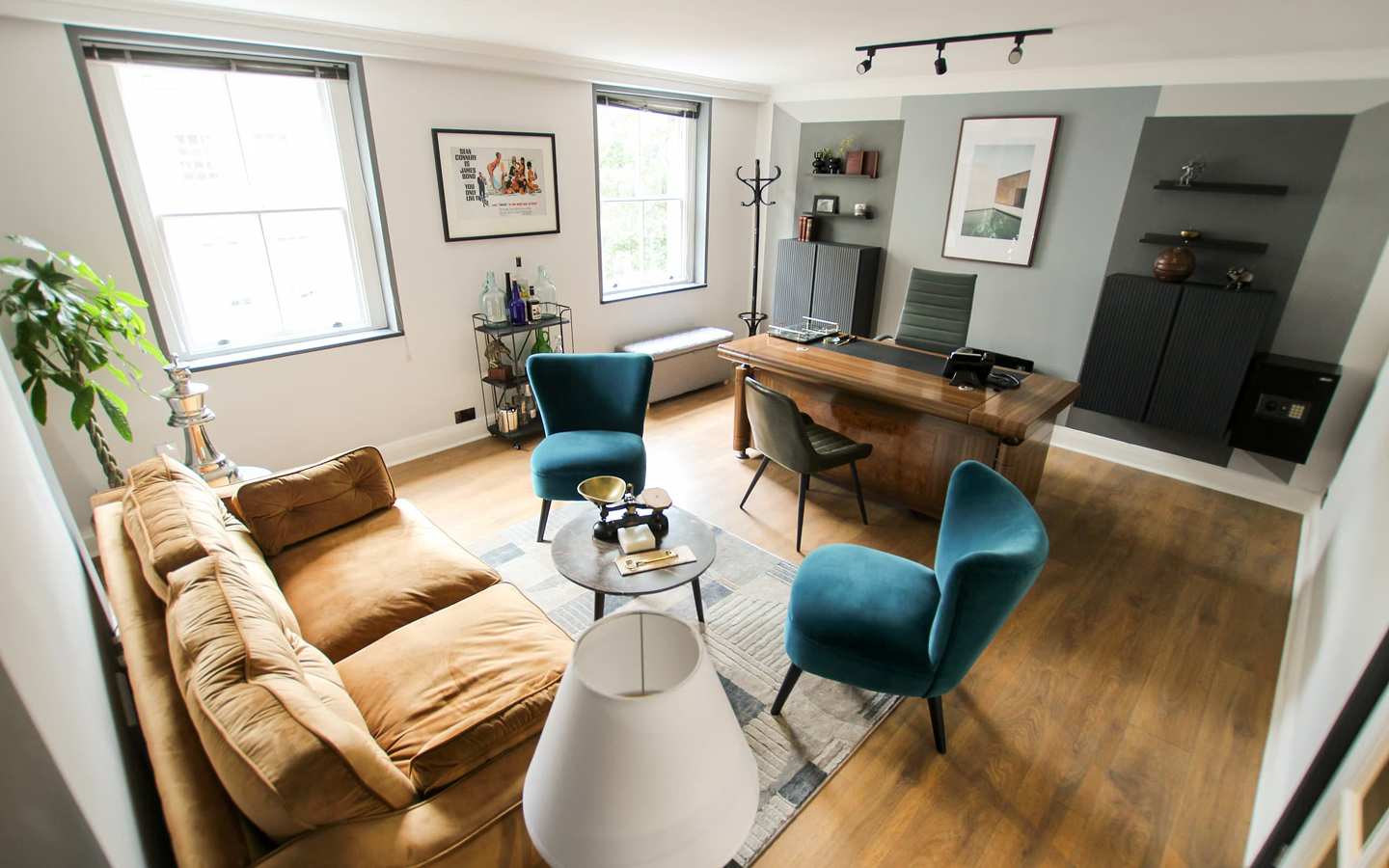
One of the most important principles of the 100-Year Frame is flexibility. Commercial buildings often experience multiple changes in occupancy and purpose throughout their lifespan. By designing open floor plans, modular systems, and adaptable infrastructure, spaces can evolve with minimal renovation. Offices may become residential units, retail areas may transform into collaborative spaces, and industrial buildings may be repurposed entirely.
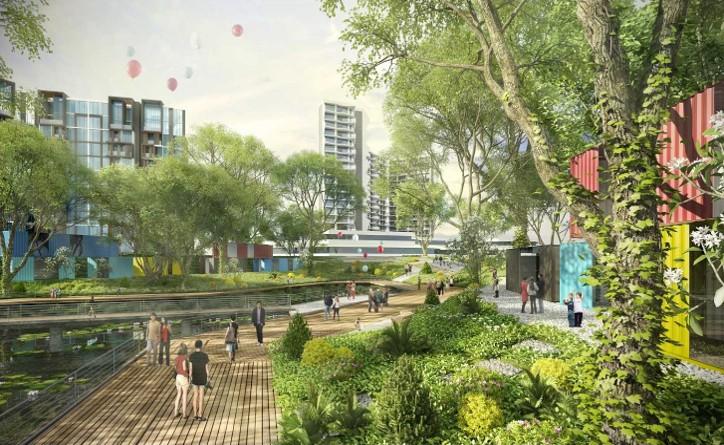
Sustainability is often associated with energy efficiency, but durability is one of the most sustainable strategies in architecture. Buildings designed to last longer reduce the need for demolition, reconstruction, and excessive resource consumption.
Integrating Future Technologies
Technology evolves rapidly, and buildings must be prepared for systems that do not yet exist. Infrastructure planning—such as adaptable service zones, accessible mechanical systems, and smart building integration—allows future upgrades without costly reconstruction. This forward-thinking approach ensures that buildings remain efficient, connected, and technologically relevant for decades.